
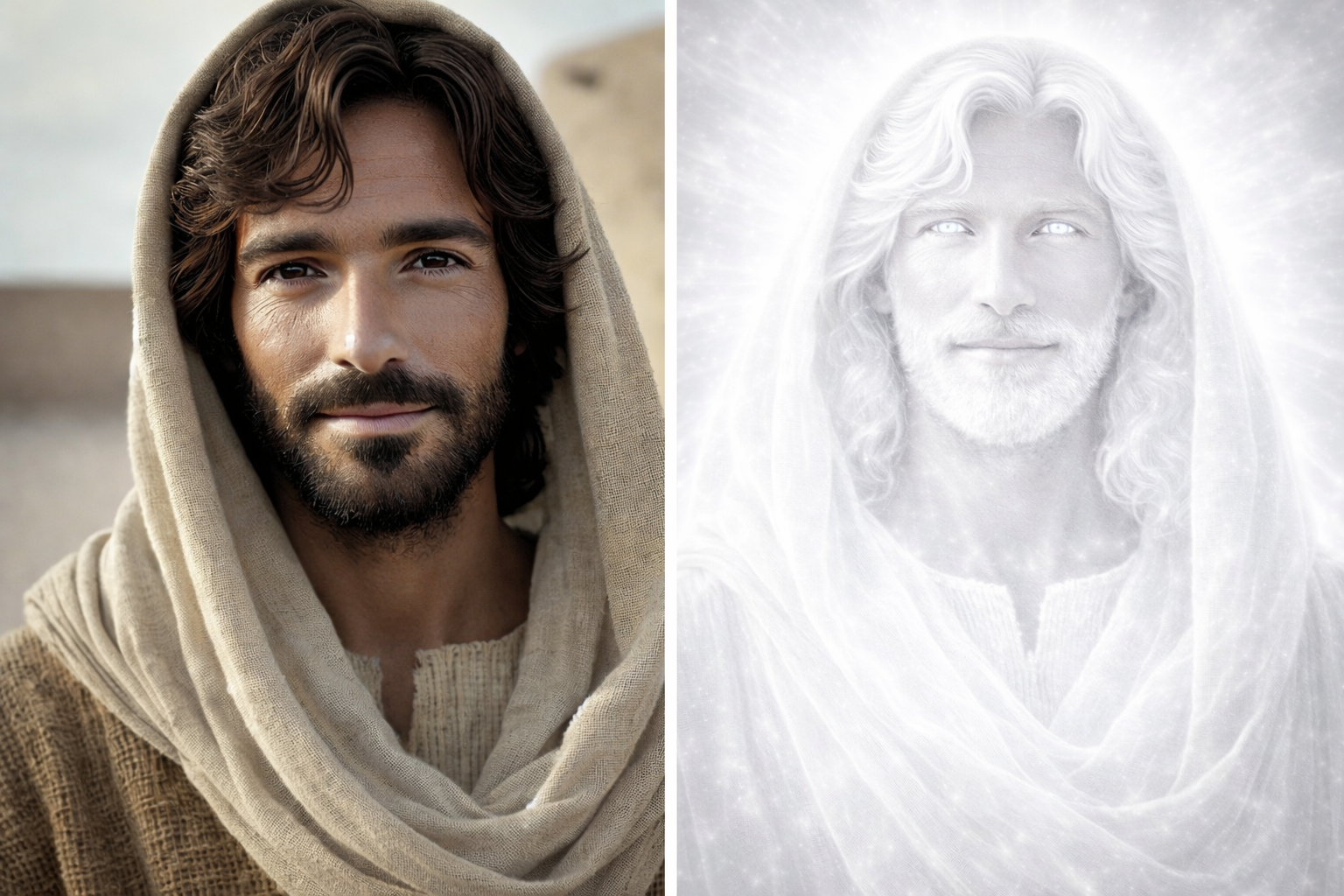
The Resurrection
Because He died and rose again, we will rise again. Because He lives, we too will live eternally.
With the coming of spring and the rebirth of life around us, it is only natural that our thoughts should turn to the Resurrection of Jesus Christ. While many events in the Savior’s life are critical to our salvation, it is this glorious event—His rising from the tomb—that truly ensures hope for all mankind.
Below are three main points to address:
- What is the Resurrection?
- Who is to be resurrected, and what type of body do they obtain?
- What do we know of resurrected bodies and their abilities?
The Apostle Paul taught that if there were no resurrection, then “is our preaching vain, and your faith is also vain” (1 Corinthians 15:14). Indeed, without the Resurrection, “our spirits must have become like unto [the devil], and we become devils” (2 Nephi 9:8–9), having no body and losing the opportunity for eternal progression.
1. What Is the Resurrection?
Although the Savior was not the first person ever to be raised from the dead, the Old Testament records miracles in which individuals were restored to mortality—such as the widow’s son raised by Elijah (1 Kings 17:17–24) and the Shunammite’s son restored by Elisha (2 Kings 4:32–37). In the New Testament, Lazarus (John 11:38–44) and Tabitha (Acts 9:36–42) were also brought back to life. All of these restorations were temporary, however, since none of these individuals received a permanently immortal body. By contrast, Jesus Christ was the first to rise with an immortal, glorified body (1 Corinthians 15:20–26). His Resurrection broke the bands of death permanently for everyone.
After His Crucifixion, the Savior’s body lay in the tomb for three days (Matthew 12:40). During this time He went to minister among the spirits in prison (1 Peter 3:18–20; 4:6; Doctrine and Covenants 138). On that first Easter morning, He rose triumphantly—never again to be subject to disease or death.
At the time of His Resurrection, Jesus was not the only one to rise from the dead. As Matthew records, “the graves were opened; and many bodies of the saints which slept arose, and came out of the graves after his resurrection, and went into the holy city, and appeared unto many” (Matthew 27:52–53).
Following His Resurrection, the Savior appeared to many individuals and groups in Jerusalem (Luke 24:36–39; John 20:26–29), and later to the people in the Americas (3 Nephi 11:8–17). These appearances were not fleeting visions—they were real, physical manifestations affirming the literal, bodily nature of Christ’s Resurrection.
2. Who Is to Be Resurrected, and What Type of Body Do They Obtain?
Through the Atonement of Jesus Christ, all of God’s children—righteous or wicked—will one day be resurrected (see Alma 11:42–45). This universal gift of immortality is both unconditional and inevitable: because Christ conquered the grave, each of us will be restored to a body of flesh and bone, forever freed from mortality’s limitations (see Doctrine and Covenants 93:33–34).
Glories and Degrees of Resurrection
Scripture teaches that resurrected bodies differ in glory (see 1 Corinthians 15:35–44). In a gospel context, glory refers to the divine light, power, knowledge, purity, and presence of God that a resurrected being is capable of receiving, directly tied to our faithfulness and the law we lived during mortality (see Doctrine and Covenants 88:22–24).
- Celestial glory is likened to the brightness of the sun and is characterized by the fulness of joy, divine knowledge, and the presence of both the Father and the Son (see Doctrine and Covenants 76:50–70).
- Terrestrial glory is likened to the light of the moon. Those who inherit this kingdom will enjoy the presence of Jesus Christ but not of God the Father (see Doctrine and Covenants 76:71–80).
- Telestial glory is likened to the stars, which vary in brightness and glory. Those who inherit this kingdom will not enjoy the presence of the Father or the Son but receive the Holy Ghost as their minister (see Doctrine and Covenants 76:81–85).
Elder Dallin H. Oaks emphasized that the Resurrection is also a “restoration” (Alma 41:13). That means we will rise not only with perfected bodies, but with the same character, desires, and spiritual attributes we cultivated in this life (see Alma 34:34; Doctrine and Covenants 130:18–19). Our resurrection will reflect who we truly are.
3. What Do We Know of Resurrected Bodies and Their Abilities?
The scriptures teach us that resurrection is not only a restoration of the body and spirit but a transformation—one that brings us into a perfected, immortal state (Alma 40:23). When the Resurrected Christ appeared to His Apostles, He demonstrated that His glorified body was tangible, composed of “flesh and bones” (Luke 24:39). He ate fish and honey in their presence (Luke 24:42–43), invited them to touch the wounds in His hands and feet (John 20:27), and appeared suddenly in their midst, even through closed doors (John 20:26).
Celestial Bodies
Those who receive a celestial glory will inherit a body that is likened to the brightness of the sun (D&C 76:70). These individuals are joint-heirs with Jesus Christ (Romans 8:17), having received the fulness of His glory. They become priests and kings, and even “gods, even the sons of God” (D&C 76:58). All things—past, present, and future—are theirs, and they dwell forever in the presence of God and Christ. They also enjoy eternal family relationships, as marriage and exaltation are possible only in the highest degree of the celestial kingdom (D&C 131:1–4).
Terrestrial Bodies
Those who inherit terrestrial glory will receive a body of light and power, likened to the brightness of the moon (D&C 76:71–80). Though honorable individuals, they were “not valiant in the testimony of Jesus” (D&C 76:79).
Telestial Bodies
Those who inherit telestial glory receive bodies likened to the stars—differing one from another in brightness and glory (D&C 76:81–85). Their bodies are still glorified, immortal, and perfect—free from pain and disease, though spiritually limited to the influence of the Holy Ghost alone.
Timing of the Resurrections
The First Resurrection—also called the Resurrection of the Just—unfolds in phases:
- Morning of the First Resurrection—The righteous saints who were valiant in the testimony of Jesus. These will be “caught up” to meet Him at His coming (D&C 88:97–98). They inherit celestial glory.
- At the time of His arrival—Those who accepted the gospel in the spirit world after having suffered for sin and repented (D&C 88:99). They also inherit celestial glory. Joseph Smith saw his brother Alvin as one of these individuals (D&C 137:6–7).
- Afternoon of the First Resurrection—The resurrection of the Terrestrial. Those who rejected the gospel in mortality and later accepted it in the next life (D&C 88:100).
- Second Resurrection—The resurrection of the unjust, at the end of the Millennium. They inherit telestial glory (D&C 88:101; D&C 76:81–85).
- Sons of perdition—The last to be resurrected. They receive no kingdom of glory and are cast into outer darkness (D&C 76:30–38).
Conclusion: A Living Testimony
Because He died and rose again, we will rise again. Because He lives, we too will live eternally. Though our mortal experiences vary, our knowledge of the Savior’s Resurrection can strengthen us to bear afflictions, comfort us as we grieve, and inspire us to follow Him so that we might receive a fulness of joy in His presence.
May we embrace the Atonement of Jesus Christ, honor our covenants, and strive to live the gospel daily so that when we are resurrected, we can “see as we are seen” and “know as we are known” (Doctrine and Covenants 130:1–2). He lives, and because He lives, so shall we—beyond the grave, in glory and immortality, through the infinite mercy of our Eternal Savior.