
The Nature and Role of Prophets
Called, foreordained, and authorized — messengers who always testify of Jesus Christ
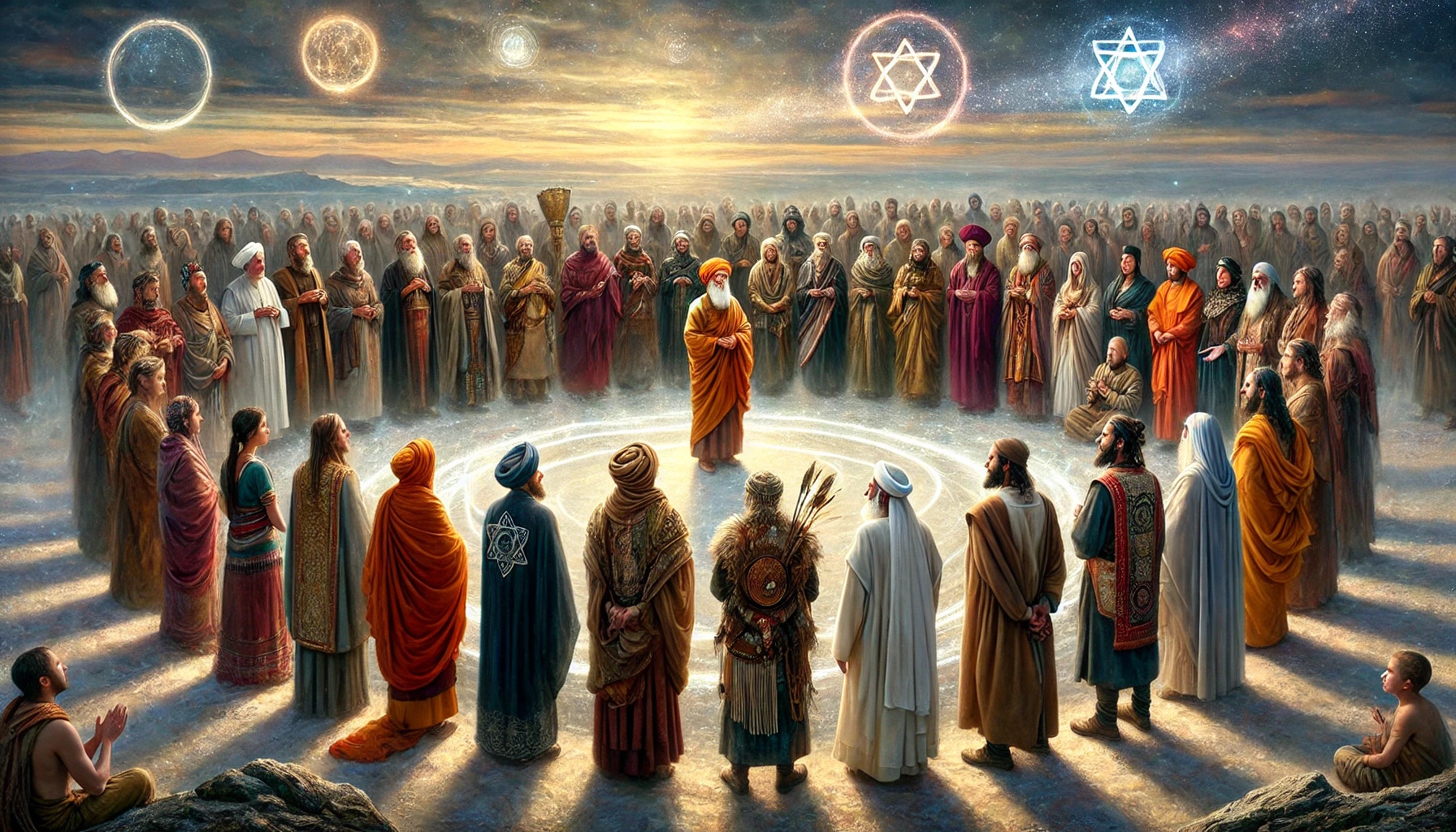
Across the globe, throughout history, there are individuals who experience something extraordinary on a spiritual level. These aren’t your everyday experiences — we’re talking profound, transformative encounters that defy ordinary explanation: visions, revelations, or profound spiritual insights.
Such experiences elevate these individuals to a unique status within their societies. It’s not just about the mystical or supernatural aspect of their experiences, but how these experiences position them as leaders, advisors, and mediators. People naturally gravitate towards them for guidance, wisdom, and resolution in times of conflict.
This special role they assume isn’t arbitrary. It’s rooted in the belief that their direct experience with the divine or the transcendent endows them with a deeper understanding of life’s mysteries, moral truths, and the right path forward for their communities. So, when we talk about these individuals, they are distinguished not only by their spiritual experiences but also by the roles of leadership and guidance they come to embody within their societies.
To some people they are called prophets, mystics, seers, shamans, sages, gurus, priests, rabbis, imams, monks, and many other labels or titles. Yet all of these individuals claim that through these experiences they have a special connection to the divine.
That these individuals exist isn’t a matter of belief. Rather, it is a matter of fact. The real question isn’t whether there are individuals in any society that have these experiences — it is how those experiences are accepted or rejected by the society that they exist in, and by the individuals who hear of them.
What are the implications if these experiences are real?
Now let’s imagine that in fact these experiences are real — that they actually happened, and that indeed there was a being, a deity, or entity that actually interacted with these individuals. That the claim of delusion, psychosis, or dementia isn’t the case, but rather they are normal, ordinary individuals who have experienced extraordinary events and are telling others about them. What would the implications of this be?
This is indeed the claim of the LDS faith. They believe that yes, God does speak with mankind — that His interactions with people include special individuals selected and set apart as leaders and spokesmen for Him in the world. That it is through these individuals that the authority to act in His name and perform ordinances on behalf of the people is provided. In fact, one of the main reasons for their necessity is the impact these ordinances and covenants have on a person, on their life, and on their final state in the next life. For without these ordinances, performed by the proper authority, the power of God is not made manifest in the lives of men for the redemption of mankind. Thus prophets are not just divinely inspired — they are divinely authorized.
We believe that these prophets are individuals called by God to serve as His messengers on earth. They act as intermediaries between the divine and humanity, providing insights that go beyond ordinary human understanding. The title “prophet” applies to those chosen by God throughout history to guide His children.
Each prophet is different…
Though each prophet has a unique personality and mission, their unity with God allows them to act according to His will. They receive commandments, prophecies, and revelations from God and are entrusted with the authority to make known His will and character to humanity. They are imperfect and flawed, commit sins, and make mistakes. Yet God can and in fact does use this to help us understand that we also — being imperfect and flawed — can have a relationship with Him, as they also do.
Who Then Is a Prophet?
Not All “Prophets” Speak for God
Not all who claim divine insight speak the full truth of God, and not all prophets are entrusted with the same measure of revelation. As Alma taught:
“It is given unto many to know the mysteries of God; nevertheless they are laid under a strict command that they shall not impart only according to the portion of his word which he doth grant unto the children of men.”
“And therefore, he that will harden his heart, the same receiveth the lesser portion of the word… and they that will not harden their hearts, to them is given the greater portion of the word.”
Some are given greater knowledge, while others receive only that which they are prepared to bear. However, there are also those who claim divine authority yet teach doctrines that do not lead to Christ. Such individuals — whether deceived themselves or willfully misleading others — do not act with God’s authority. True prophets testify of Jesus Christ and call people to repentance, while false prophets distort the truth for personal gain or misguided ambition. Discerning between the two requires careful study, personal revelation, and a willingness to seek God’s confirmation of what is true.
A prophet is a person selected before the foundation of the world, foreordained to guide God’s children back to Him. They are individuals given authority to speak in His name, to act on His behalf, and to do what He would have them do. They always testify of Jesus Christ — that He is the Redeemer and Saviour of the world. They encourage men not only to believe on Him, but to obey His words, repent of their sins, and come unto Him. They are His messengers, His disciples, and His servants, and will in every case testify of Him and His Father — and that whatever they do is not by their own power, but because He has empowered them. This is always their message: the gospel of Jesus Christ — “Repent” and come unto Him and take His yoke upon you. They will lead men to this truth and never away from it. If anyone claims to be a prophet and does not teach this message, they are in fact a false prophet.
What Scripture Says About Prophets
- Amos 3:7 — “Surely the Lord God will do nothing, but he revealeth his secret unto his servants the prophets.”
- Hebrews 1:1 — “God, who at sundry times and in divers manners spake in time past unto the fathers by the prophets.”
- Mosiah 8:17 — “But a seer can know of things which are past, and also of things which are to come.”
How Do Prophets Act as God’s Messengers?
Prophets receive revelation from God through various means such as visions, dreams, and the Holy Spirit. They are called to communicate God’s will to His children, often delivering messages that guide, warn, or instruct. Prophets provide direction, resolve conflicts, and offer wisdom, influencing social norms, morality, and foundational beliefs. They often call people to repentance, warning of the consequences of sin and encouraging a return to righteous living.
Communication with the Divine
- Exodus 3:4–10 — God calls Moses to deliver Israel from Egypt
- 1 Nephi 22:2 — “By the Spirit are all things made known unto the prophets.”
Denouncing Sin and Preaching Righteousness
- Jeremiah 35:15 — “I have sent also unto you all my servants the prophets… saying, Return ye now every man from his evil way.”
- Alma 5:13 — Alma calls people to repentance
Therefore, prophets serve as God’s chosen messengers, receiving His will through revelation — be it visions, dreams, or direct inspiration of the Holy Spirit — and conveying it to His children. They guide, counsel, and uplift those who listen, offering moral direction and warning against the dangers of sin. Often at pivotal junctures, their voices challenge entrenched wrongdoing, urge repentance, and invite people to return to righteousness. As bearers of divine insight, prophets shape communities, resolve spiritual disputes, and reinforce foundational truths, ensuring that God’s instructions remain accessible and relevant to all who seek them.
How Do Prophets Testify of Jesus Christ?
In The Church of Jesus Christ of Latter-day Saints, prophets bear witness of Jesus Christ and His central role in God’s plan of salvation. They testify of His divinity, Atonement, and Resurrection, teaching His gospel and exemplifying His teachings.
Prophets Witness of Christ
- Acts 10:43 — “To him give all the prophets witness.”
- Jacob 7:11 — “Behold, I know if there should be no atonement made all mankind must be lost.”
Prophets in The Church of Jesus Christ of Latter-day Saints affirm that Jesus Christ stands at the heart of God’s plan of salvation. They bear witness of His divinity, His infinite Atonement, and His glorious Resurrection, teaching the principles He revealed and exemplifying the life He lived. Through their testimonies, believers come to see the Savior as the Redeemer of all mankind, the source of hope, and the path back to God’s presence.
How Are Prophets Called and Given Authority?
Prophets are called by God and receive authority from Him to perform their sacred duties. They hold the priesthood authority to perform sacred ordinances essential for salvation and to lead the Church. This authority ensures that teachings and ordinances are performed correctly and with God’s approval, impacting individuals’ spiritual progression.
Authority and Ordination
- Hebrews 5:4 — “And no man taketh this honour unto himself, but he that is called of God.”
- Alma 13:1–2 — Describes the calling of priests through ordination
Divine Authority
- Matthew 16:19 — “And I will give unto thee the keys of the kingdom of heaven.”
- Doctrine and Covenants 1:38 — “What I the Lord have spoken, I have spoken… whether by mine own voice or by the voice of my servants, it is the same.”
Prophets are chosen by God and invested with authority, by prophecy and by the laying on of hands — thus the giving of His authority to lead, teach, and administer sacred ordinances on behalf of His children. This divine calling sets them apart and ensures that their counsel and the ordinances they perform align with God’s will, guiding believers toward salvation and spiritual maturity. In acting as stewards of divine truth, prophets uphold the integrity and validity of the gospel message, enabling individuals to progress in faith under the direction of heaven-sanctioned leadership.
How Do We Reconcile Human Imperfection in Prophets?
While prophets are called of God, they are also human and can make mistakes. Their imperfections do not negate their divine calling. Understanding that prophets are mortal helps us appreciate their humility and reliance on God. It also emphasizes the importance of personal revelation in confirming the truths they teach.
Human Imperfection
- James 5:17 — “Elias was a man subject to like passions as we are.”
- Ether 12:27 — “I give unto men weakness that they may be humble.”
Recognizing Human Nature
- Romans 3:23 — “For all have sinned, and come short of the glory of God.”
- Mormon 9:31 — “Condemn me not because of mine imperfection.”
Prophets, though divinely called, remain human and subject to error. Their mortal limitations do not diminish their authority or the truthfulness of their message; rather, they highlight a dependence on God’s guidance. Recognizing their humanity invites greater empathy and underscores the role of personal revelation in discerning and embracing divine truth. It assures believers that God works through imperfect vessels, demonstrating that spiritual growth is attainable even as we acknowledge and learn from human weakness.
Why Are Prophets Important Today?
Prophets serve as vital links between God and humanity, offering guidance, teachings, and revelations to help individuals navigate life’s challenges and prepare for eternal life. In a world of confusion and shifting values, prophets provide clarity and direction. They influence societal values and morals, often challenging the status quo to align society more closely with divine principles.
Modern Revelation
- Ephesians 4:11–13 — “And he gave some, apostles; and some, prophets… till we all come in the unity of the faith.”
- Doctrine and Covenants 1:38 — “Whether by mine own voice or by the voice of my servants, it is the same.”
Role in Society
- Proverbs 29:18 — “Where there is no vision, the people perish.”
- Mosiah 29:13 — On the necessity of righteous leadership among the people
Prophets remain vital in modern times because they offer divine guidance amid rapid change and moral uncertainty. They clarify God’s will, teach true principles, and inspire people to rise above cultural norms that drift from eternal values. Their counsel encourages unity, fosters spiritual growth, and prepares individuals for a life aligned with heaven’s purposes. In an age filled with conflicting voices, prophets stand as reliable beacons, illuminating the path that leads to truth, righteousness, and lasting peace.
How Should We Approach Concerns About Prophets?
Inconsistencies in teachings, human flaws, and challenges related to obedience and agency can lead to confusion or doubt. It is important to seek understanding by studying the scriptures and teachings of prophets to gain deeper insight into their messages and context. Pray and seek confirmation from God about the truthfulness of prophetic teachings. Engage in conversations with trusted leaders or members to discuss and explore concerns.
Seeking Understanding & Personal Revelation — How do we receive revelation?
- 2 Timothy 2:15 — “Study to shew thyself approved unto God.”
- Alma 17:2–3 — The sons of Mosiah gain understanding through diligent study and prayer
- James 1:5 — “If any of you lack wisdom, let him ask of God.”
- Moroni 10:4–5 — Invitation to pray and receive a witness of truth
- Romans 3:23 — “For all have sinned, and come short of the glory of God.”
- Ether 12:39 — Moroni expresses his own weaknesses
When faced with uncertainties or questions about prophets, it is essential to seek understanding rather than rush to judgment. Study their teachings within the broader context of scripture, history, and revealed truth. Approach concerns prayerfully, asking God for clarity and confirmation. Discuss these matters openly with trusted leaders or faithful peers, recognizing that all mortals have limitations and that the power of personal revelation can illuminate what may at first seem unclear. Ultimately, a patient, informed, and faith-centered approach can transform doubts into deeper conviction and more profound spiritual insight.
Conclusion
Prophets stand at the intersection of the human and the divine, acting as conduits for God’s will and guidance. Throughout history and across cultures, individuals with profound spiritual experiences have emerged to offer clarity in times of moral confusion, unity amid division, and hope where despair might otherwise reign. These chosen men and women, though not free from human frailty, are granted divine authority that enables them to teach, warn, comfort, and lead with heaven’s approval.
In the Latter-day Saint tradition, prophets not only echo this broader, timeless role but also stand as witnesses of Jesus Christ, central to God’s eternal plan of salvation. They hold keys of authority, administer vital ordinances, and testify of the Redeemer’s Atonement and Resurrection. Their message consistently calls humanity to repentance, faith, and covenant fidelity, guiding individuals onto the path that leads back to God.
Prophets do not eliminate personal responsibility; instead, they encourage thoughtful engagement with scripture, prayer, and personal revelation. While acknowledging their human imperfections, believers are invited to seek divine confirmation of their teachings, ensuring that faith is both informed and deeply rooted. In a world increasingly beset by shifting values and competing philosophies, prophets serve as dependable beacons of light, continually illuminating the way toward truth, righteousness, and eternal peace.