
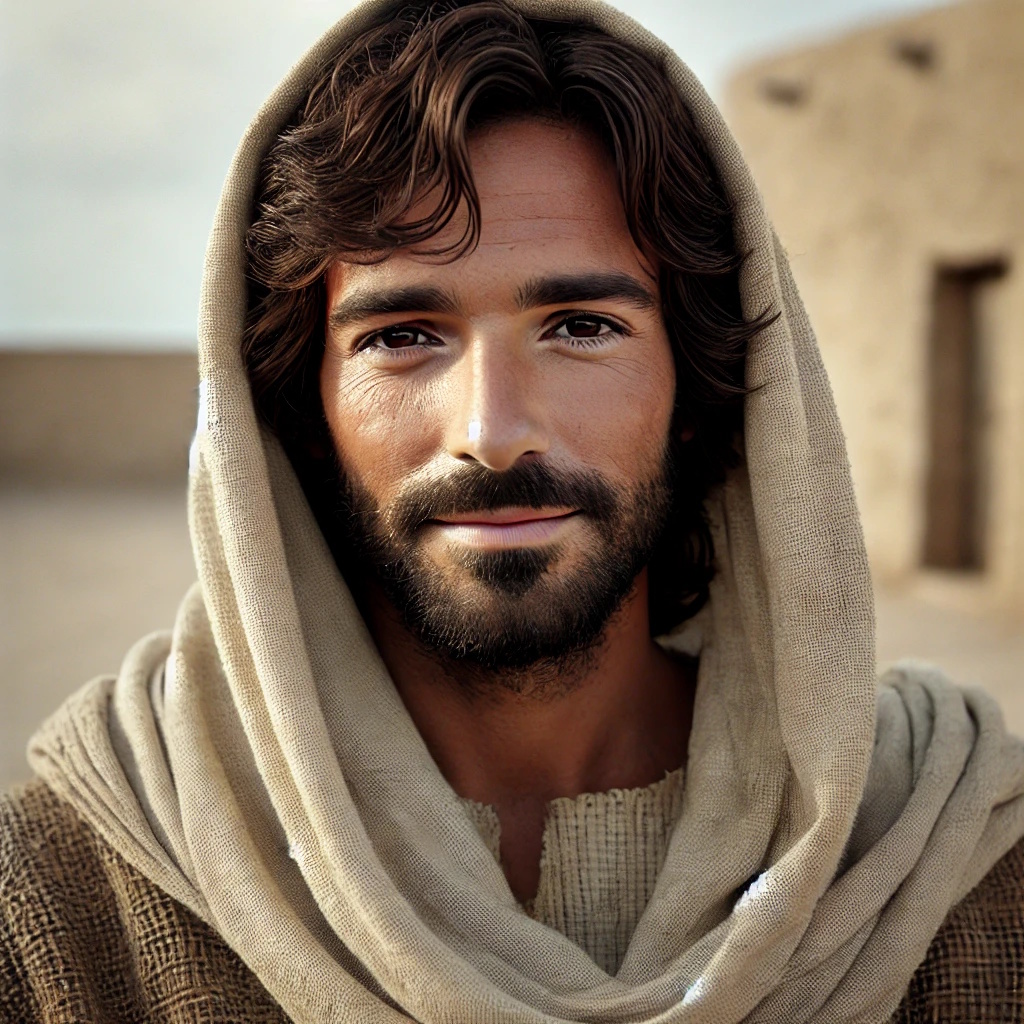
Who is Jesus Christ?
The Nature of the Godhead: Father, Son, and Holy Ghost
We believe in God the Eternal Father, His Son, Jesus Christ, and the Holy Ghost. These three beings are distinct and separate individuals, yet they are perfectly united in purpose, will, and action. Together, they form the supreme ruling council in heaven. The word God or Elohim is a title, not a personal name, which can apply to more than one being.
Though distinct in form and space, their unity is so complete that they act as one. Jesus emphasized this unity in His intercessory prayer when He asked that His disciples may be one with Him, as He is one with the Father (John 17:20–23). The oneness of the Father, the Son, and the Holy Ghost is often misunderstood. They are not one in essence but are distinct individuals who are perfectly united in their divine mission and purpose.
Who then is Jesus Christ?
Jesus Christ is the Only Begotten Son of God the Father in the flesh, and is also a Son of God in the spirit, and the Savior of the world. He existed with the Father from the beginning as a distinct, divine spirit child of our Heavenly Father (John 1:1–3). He had received the title of God before he was born, and was chosen before the foundation of the world to be the redeemer and savior of all mankind. By performing this role he is central to Heavenly Father’s plan of salvation, having been chosen to redeem mankind through His Atonement, suffering for our sins and overcoming death through His Resurrection (Alma 7:11–13; 1 Corinthians 15:21–22). Thus, Jesus Christ is our Redeemer and Savior and exemplifies the unity that he has with his father, and the capability that he provides to others to unify with God, through his atonement. He is both the Son of God and our Elder Brother.
Through Him, we are offered salvation, yet even He declares that the Father is greater (John 14:28) and refers to the Father as His God (John 20:17). While the title “God” can apply to Christ due to His divine role, He always acknowledged the supremacy of His Father, praying to Him and acting in perfect unity with His will (John 5:19, 30). Christ is both our Savior and Mediator, bridging the gap between humanity and the Father. His life, death, and resurrection demonstrate His love for us and His role in bringing us back to God (John 14:6).
Jesus Christ as Jehovah, the God of the Old Testament
Thus he is the God of the Old Testament and was called Jehovah, the God of Abraham, Isaac, and Jacob, who visited and spoke with these patriarchs before His mortal birth (Exodus 6:2–3, John 8:58, 3 Nephi 15:5). When the Old Testament speaks of “the Lord” who creates, commands, covenants, judges, forgives, and redeems, it is almost always referring to the premortal Jesus Christ. When it says “God is a spirit” it is speaking about Jehovah the spirit who had not yet been born. This understanding resolves the apparent tension between the God of the Old Testament and the Savior of the New: they are the same divine Being, acting in different phases of the same eternal mission. Jehovah is the covenant-making God who reveals the law, bears patiently with human rebellion, and promises redemption; Jesus Christ is that same God clothed in mortality, fulfilling the law, redeeming mankind, and opening the way for reconciliation with the Father. Thus, the Old Testament is not a record awaiting Christ—it is already His witness, written by a covenant people who knew Him by title, obeyed Him imperfectly, and depended wholly upon His mercy long before His mortal birth.
Thus to clarify as clear as words can be, although Jesus the Christ was once a spirit, He is so no longer. Like all of God’s children, He existed first as a spirit son of the Father, but through His mortal birth, Atonement, death, and Resurrection, He became something more. He is now an embodied, empowered, resurrected, and glorified being, possessing a perfected body of flesh and bone, never again subject to death, separation, or corruption (Luke 24:39; Doctrine and Covenants 130:22). His resurrection was not a temporary return to life, but a permanent transformation into a glorified state, one He now possesses eternally. Thus, Jesus Christ is not merely a spiritual mediator or abstract divine force—He is a living, resurrected Lord, exalted in glory, who stands at the right hand of the Father and continues to act with divine authority, power, and embodied reality.
How is Jesus Christ our Redeemer?
Because of the fall of Adam and Eve, the world became a temporal place. Adam and Eve, having gained knowledge of Good and Evil, and having the capacity to choose either, became culpable for their choices. Thus, they had the opportunity to choose—but they didn’t have the opportunity to determine the effects/results of those choices.
Thus, the need for a Redeemer stems from two key aspects of God’s plan: the Fall of Adam and Eve, and the law of justice. When Adam and Eve partook of the forbidden fruit, they introduced both physical and spiritual death into the world (Genesis 3:19; 2 Nephi 2:22–23). Physical death is the separation of the spirit from the body, while spiritual death is the separation from God’s presence due to sin. Because all humans are subject to sin and death, they cannot return to live with God on their own. The law of justice requires that every sin be punished, meaning no unclean thing can dwell with God (Alma 11:37; Romans 6:23). Without a Redeemer, we would remain eternally separated from God, bound by sin and death.
Jesus Christ’s role as Redeemer is essential because He satisfies both the law of justice and the demands of mercy. Being sinless, He was able to offer Himself as the perfect and infinite sacrifice for our sins (Hebrews 4:15; Alma 34:10). In Gethsemane and on the cross, He suffered the full weight of humanity’s sins, experiencing unimaginable pain to pay the price of justice (Luke 22:44; Doctrine and Covenants 19:16–18). His suffering allows mercy to be extended to us if we repent and follow Him, satisfying the law of justice while allowing us to be forgiven (Mosiah 15:9; Alma 42:15). His death and resurrection also overcame physical death, ensuring all will be resurrected and live again (1 Corinthians 15:21–22). Thus, Christ’s Atonement is required to fulfill both justice and mercy, providing a way for us to be cleansed from sin and reconciled with God.
He is the Redeemer and Messiah, the Holy One of Israel, who redeems all mankind from death and hell (Isaiah 43:3, Mosiah 15:7, John 3:16).
Finally, Jesus Christ is the Son who became the author of eternal salvation to all those who obey Him (Hebrews 5:9, Mosiah 16:9). Through His Atonement, He brings salvation and eternal life to all who accept Him and follow His teachings (John 3:36, Acts 4:11–12, Acts 2:37–41).
How then is Jesus Christ the Son?
Jesus Christ is the literal Son of God, conceived in the flesh and born as a man (Luke 1:35, Alma 7:10). His Father is a different individual who conceived Him through His power. He was conceived by the power of the Father (Luke 1:35) without a mortal, sexual union. Mary was a virgin at the time of Jesus’s birth.
God, an Elohim who conceived Him through His power (Matthew 16:16, Luke 1:35, Alma 7:10). He became the Son because He took upon Himself flesh and suffered the will of the Father, being subject to mortal weaknesses and experiences (John 1:14, Mosiah 15:2–5). He suffered hunger, pain, fatigue, and anguish of body and soul (Matthew 4:2, Luke 22:44, Alma 7:11–12). He was also tempted in all things, just like any man, but He never succumbed to sin (Hebrews 4:15, Mosiah 15:5, Alma 7:11).
Like all mankind, Jesus Christ experienced a veil of forgetfulness and had to learn and grow (Hebrews 5:7–9, Luke 2:52). Despite being subjected to mortal temptations, He always did the will of the Father and remained sinless (John 6:38, Matthew 26:39).
How is Jesus Christ the Father?
Jesus Christ is the Father of heaven and earth, being the primary individual involved in their creation (John 1:1–3, Mosiah 3:8).
He is the Father because all mankind who accept Him as their Savior and take upon themselves His name are called His seed and are spiritually begotten as His children (John 1:12, Mosiah 5:7, Ether 3:14, Galatians 3:26–29). All who are redeemed and exalted are accounted His seed (Romans 8:17, D&C 76:58–60).
Jesus Christ is also the Father of heaven and earth, having created them (John 1:1–3, Colossians 1:16–17, D&C 76:24). Thus, He holds the title of Father in both a literal and symbolic sense.
Conclusion
In conclusion, Jesus Christ is the central figure in God’s plan of salvation, embodying both the Son of God and the Redeemer of mankind. Through His life, Atonement, death, and resurrection, He offers a way for all to be reconciled with God, overcoming both physical and spiritual death. Though distinct from the Father and the Holy Ghost, the unity of the Godhead in purpose and action reveals the perfect harmony of divine will. Jesus Christ is not only our Savior, but also our Elder Brother and the example of how we can unite with God through faith, repentance, and obedience. Through His grace and mercy, we are given the hope of salvation, eternal life, and the opportunity to become heirs to God’s kingdom, following the path that He has set before us.