
Who Was Baal?
Meaning, origins, and the theological conflict at the heart of Israelite religion.
1. Meaning and Linguistic Roots
- Term “Baal”: The word derives from a Semitic root meaning “lord,” “master,” or “possessor.”
- Substitution with “Bosheth” (Shame): Because the worship of Baal became so abhorrent to the Israelite community, biblical writers sometimes replaced “ba‘al” in personal names with “bosheth” (shame). Hence “Ishbaal” → “Ishbosheth.”
2. Baal as a Deity in the Ancient Near East
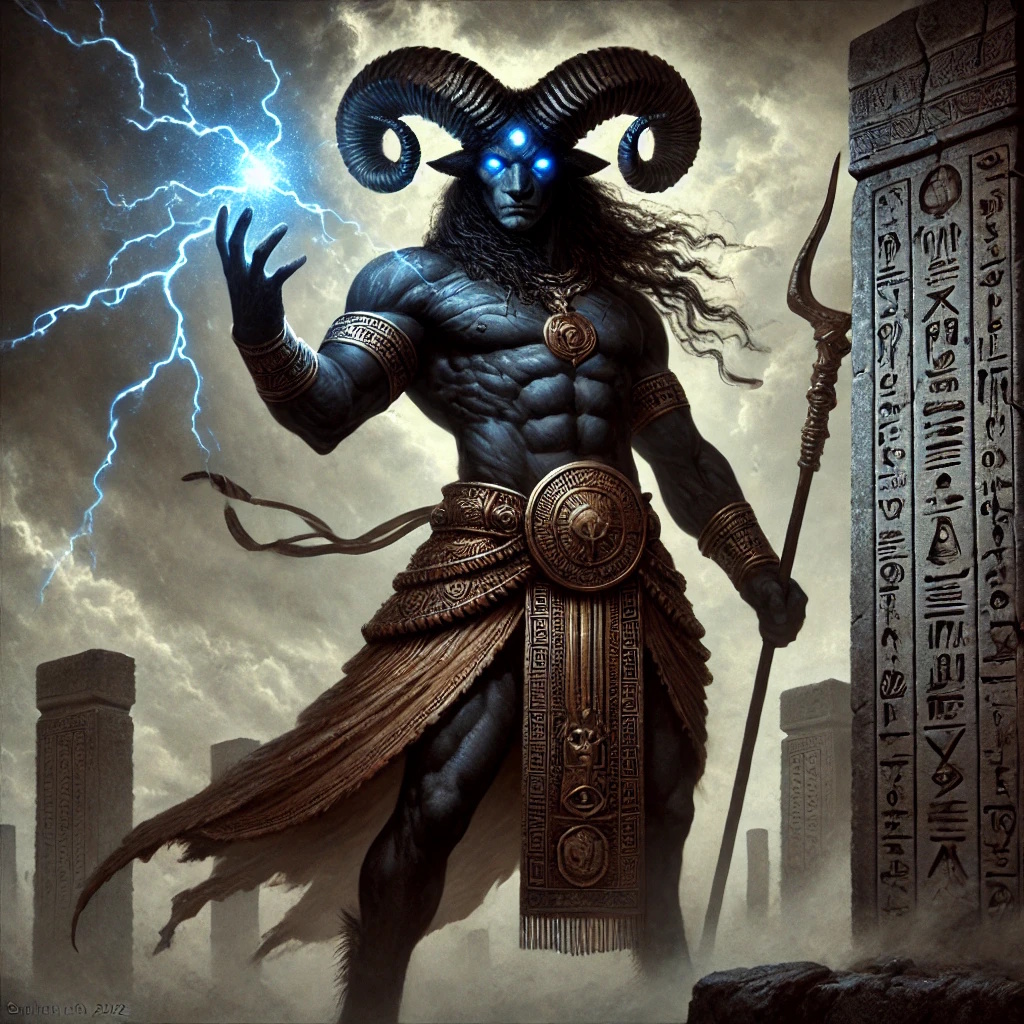
Baal was often viewed as a Storm-god and associated with fertility, agriculture, and the generative forces of nature. He was commonly paired with a female deity such as Ashtoreth (Astarte/Ishtar), the fertility goddess. Each city or region had its own local “Baal,” often conceptualized slightly differently.
3. Major Compound Names in the Bible
- Baal (1 Kings 16:31): Worshiped in Phoenicia and introduced into the Northern Kingdom through King Ahab’s marriage to Jezebel. This Baal cult became a central point of contention with Elijah at Mount Carmel (1 Kings 18).
- Baal-peor (Numbers 25:1–3): Worshiped by the Moabites and Midianites.
- Baal-zebub (2 Kings 1:2): Sometimes rendered “Beelzebub.” In the New Testament era, “Beelzebub” became a name associated with demonic power (Matthew 12:24).
4. Theological and Cultural Context
The worship of Baal stood in direct opposition to Yahweh worship. The prophets treat idolatry as a form of adultery—just as a spouse is unfaithful by taking another partner, Israel becomes “unfaithful” when it devotes itself to Baal instead of Yahweh.
Conclusion
Baal was a potent figure in the ancient Near East, representing lordship, fertility, and the generative powers of nature. In the biblical narrative, he stands as the prime example of “the other god” competing for Israel’s allegiance—an archetype of false worship that the prophets and writers of the Hebrew Bible steadfastly opposed.